The wide frame
Veranda, kitchen and yard are held low and still. The camera waits with Baba Ayo and gives nothing away.
A Short Film
Written by Imafidon Gift Jesurobo-Owie
To be directed by Oluwole Oladimeji
Logline
Some homes shelter us.
Others keep the truth.
Synopsis
Tunde drives home to Ijoko with wonderful news. He has bought his father a furnished house near his own family. It has water, electricity, security and a clinic ten minutes away. He has paid for it quietly, month by month, for six years.
Baba Ayo receives the news without celebration. He fries his son an egg instead.
Across one long day, a bottle secretly filled with water, pencil marks on a doorframe, a folded wrapper and an unopened letter reveal what neither man has said aloud in fifteen years.
By dusk, Tunde understands. The house was never falling down. It was standing guard.
Director’s Intention
“This is a quiet reckoning between a father who has sentenced himself to stillness and a son who mistakes love for the offer of a better address.”
At first, Baba Ayo appears stubborn. Then the rooms begin to speak for him. The house holds a marriage, a failure and the last ordinary morning before everything changed.
Tunde brings a deed. His father offers a cutting from the hibiscus. One wants to replace the past. The other is trying to find a way for memory to travel without being uprooted.
Visual World
Veranda, kitchen and yard are held low and still. The camera waits with Baba Ayo and gives nothing away.
A knuckle slides the brandy aside. Fingers follow pencil marks. Hands enter the soil before they can embrace.
Children pray, quarrel and wash plates next door. Their noise makes the silence inside this family easier to hear.
Morning begins cool. Confession arrives in amber dusk. Dawn returns, but nothing has been neatly repaired.
A Grammar of Objects
Watered every morning. A wound kept alive because forgetting would feel like betrayal.
His wife’s wrapper. A marriage folded carefully and kept beyond the reach of time.
Two boys measured against a doorframe. Growth recorded where affection could not be spoken.
The lie Baba Ayo pours at breakfast so he can still sit at the table with the man he used to be.
Characters
Visual casting references · Cast not confirmed
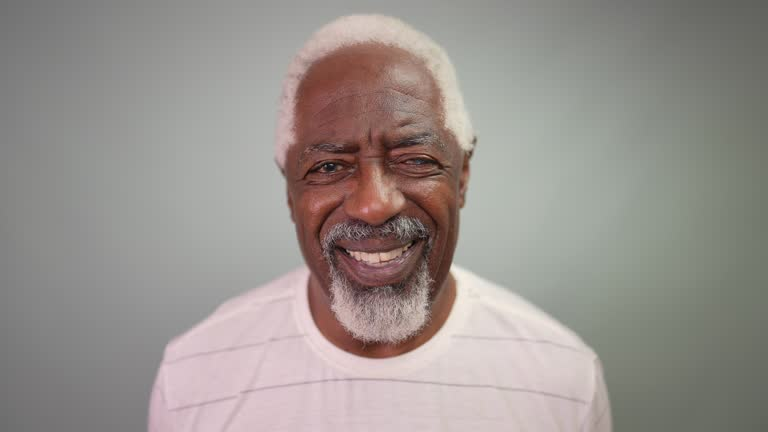
Lean, upright and exact. He has turned grief into a private discipline: one flower watered, one bottle refilled, one wardrobe kept closed. He is not simply stubborn. He is serving a sentence he gave himself.
Concealment → confession → chosen rootedness
A loving son who has spent six years building the answer to a question he never asked. His gift is generous, but it still carries the shame he once felt about where he came from.
Rescue → recognition → presence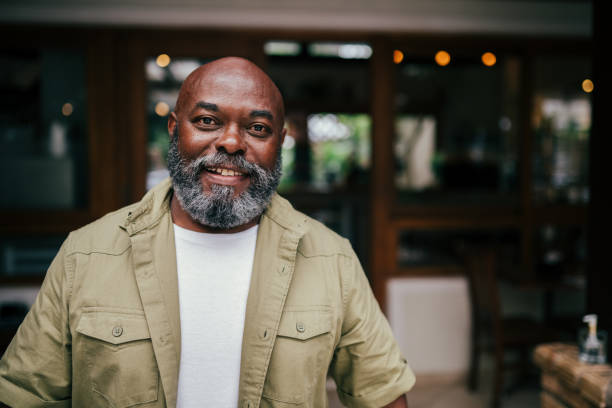
Rounder, louder and unguarded. He carries the noise of ordinary life into the compound, then quietly leaves when he realises father and son need the yard to themselves.
Warmth, witness and contrastHe survives as pencil marks, a yellowed envelope and a name neither man can finish a sentence with. He found his mother that night. He has not spoken to them since.
Silence with consequenceShe is never reduced to a photograph. She remains in the egg fried the right way, the money once hidden in a garri tin, her temper, her wrapper and the flower outside.
The life still moving through the houseSpatial Journey
The morning watering. Tunde arrives with news dressed as a gift.
An egg fried the one true way. A gift bottle set aside, untouched.
A mother’s old rule about talking at the table. Water poured from a beer bottle.
Grandchildren on a phone screen. A deed. A pen the old man will not take.
Pencil marks climbing a doorframe. Two brothers, measured in inches.
A folded wrapper. A garri tin. A land sold for a boy’s school fees.
The watering can tips. The night his wife died alone is finally spoken.
A hibiscus cutting for a granddaughter. A sealed letter, put back. The watering, again.
Themes
Grief as ritualMourning hardened into a daily task so the wound never has to be touched directly.
Inherited shameWhat a son once learned to hide, and what it costs to admit that shame in front of his father.
Silence between menLove expressed through eggs, houses, watering cans and hands that almost touch.
Self punishmentA man remains where he failed because leaving would feel like forgiveness he has not earned.
Memory carried forwardThe whole plant stays with Baba Ayo. A cutting travels to the granddaughter who carries his wife’s name.
Visual & Tonal References
Still Walking
Hirokazu Kore-eda · 2008
Family history revealed through food, rooms and the quiet cruelties of ordinary conversation.
Aftersun
Charlotte Wells · 2022
A child looking back at the silence of a parent, one fragment and one unanswered question at a time.
The Quiet Girl
Colm Bairéad · 2022
Held gazes, physical detail and tenderness that becomes stronger because it is not explained.
Eyimofe
Arie & Chuko Esiri · 2020
Textured Nigerian realism, lived in rooms and dignity without romanticising hardship.
Why This Film
Sometimes they apologise in an egg fried the right way. In a house built quietly for six years. In a flower watered long after it needs water.
This is not a story about a man who refuses to move house. It is about a man who has already sentenced himself, and a son learning that the sentence may be the only apology his father knows how to give.
Baba Ayo is not a symbol of tradition resisting progress. Tunde is not a symbol of success returning home. They are two specific men trying, badly and beautifully, to love each other before night comes.
The Opportunity
The film is contained, performance led and designed around one principal location. Its scale is modest. Its emotional world is not.
For audiences who recognise that the most painful family stories are often hidden inside ordinary acts of care.
This House Remembers
He never asked what the old one was keeping alive.
Written by Imafidon Gift Jesurobo-Owie
To be directed by Oluwole Oladimeji
hello@stillhousepictures.com+44 7424 424 233